
Description
In an era where consumers increasingly demand ethics and accountability, the fashion industry is shifting from opaque supply chains to radical transparency. But beyond tracking factories and materials, a new movement is emerging: “Worker Visibility” highlighting the individual artisans and workers behind every garment.
This practice, often called “Worker Visibility” “worker-to-wearer transparency”, aims to bridge the gap between creators and consumers by putting a human face to the clothes we wear.
The Rise of “Worker Visibility”.
For decades, garment workers remained invisible, hidden behind layers of subcontracting and fast fashion’s anonymity. Today, progressive brands are flipping this narrative. By sharing names, photos, and stories of the people who craft their products, they’re transforming faceless labor into meaningful human connections.
Why It Matters
Humanizing production challenges the exploitative norms of fast fashion. Studies show that **knowing a worker’s story** increases consumer trust and willingness to pay a premium. For artisans, recognition validates their skill and dignity. As designer Stella McCartney notes: “Transparency isn’t just about ethics—it’s about respect for craftsmanship.”
The Future:
While challenges remain (like protecting worker privacy), the trend is clear: the future of fashion lies in celebrating the people who make it possible. As consumers, we’re no longer buying a *product*—we’re investing in a *person’s livelihood*. And that’s a story worth wearing.
Next time you check a clothing label, ask: *“Who made this?”* The answer could change how you see fashion—and the world. 🌍✨
Example 1.
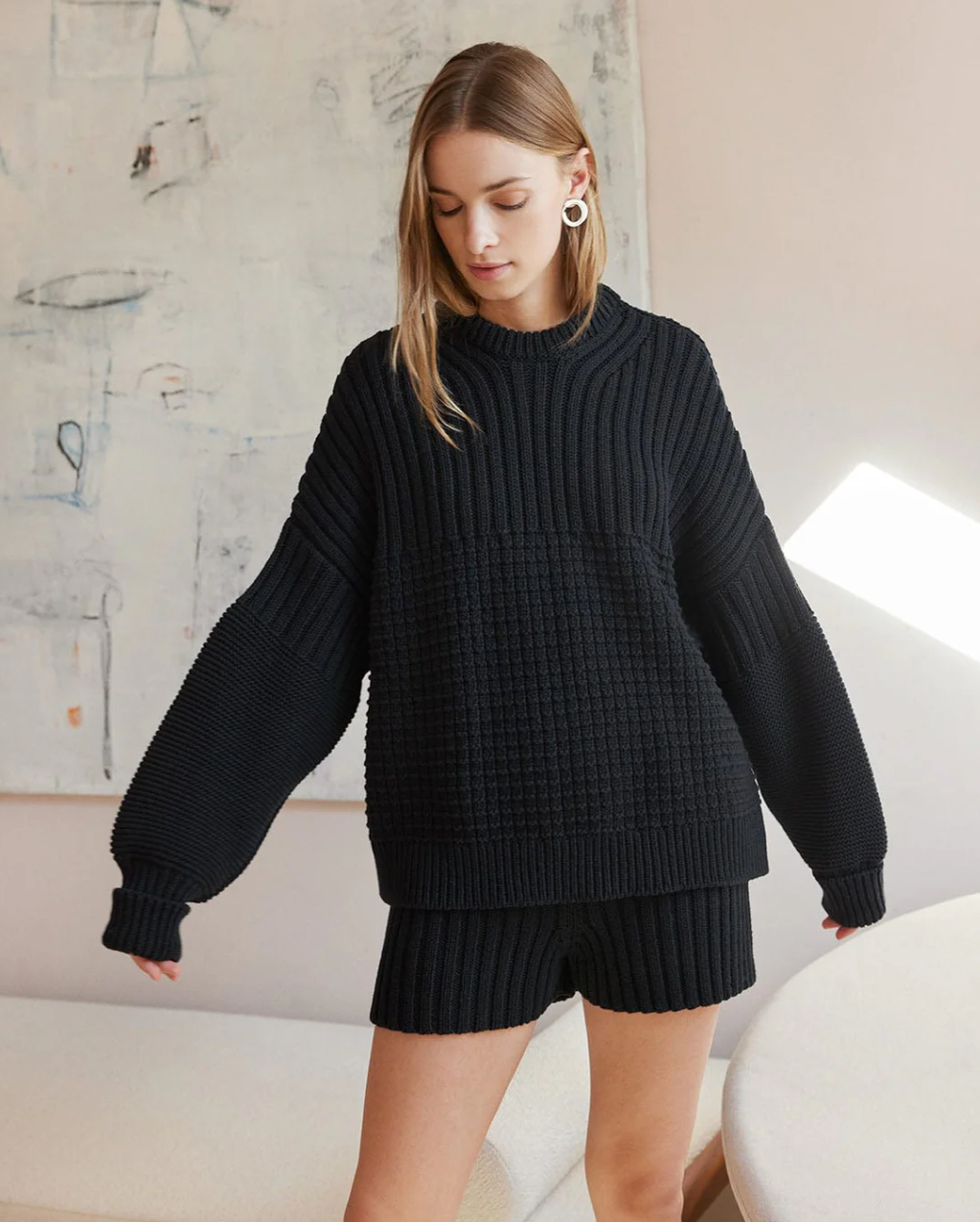
Ethical brand “The knotty ones“ work with both artisans and local vetted factories to create opportunities in these rural communities.
You'll get a card with your order telling you exactly who knitted your garment and a little about them.
Also the Knitters Dream fund helps to bring these dreams to life bit by bit. With each purchase, you can choose to donate directly towards a dream of a woman who made your knit. That extra donation goes towards hiring a nutritionist, buying those beautiful apartment curtains or paying for dental implants. Or whatever else they’ve been been daydreaming about paying for. Learn more
Example 2.
Footwear brand “Nisolo” dedicates a section of its website to “Who Made Your Shoes”, showcasing profiles of cobblers like Carlos, a third-generation shoemaker from Peru. Customers can read about his craft, family, and how fair wages have impacted his community.